
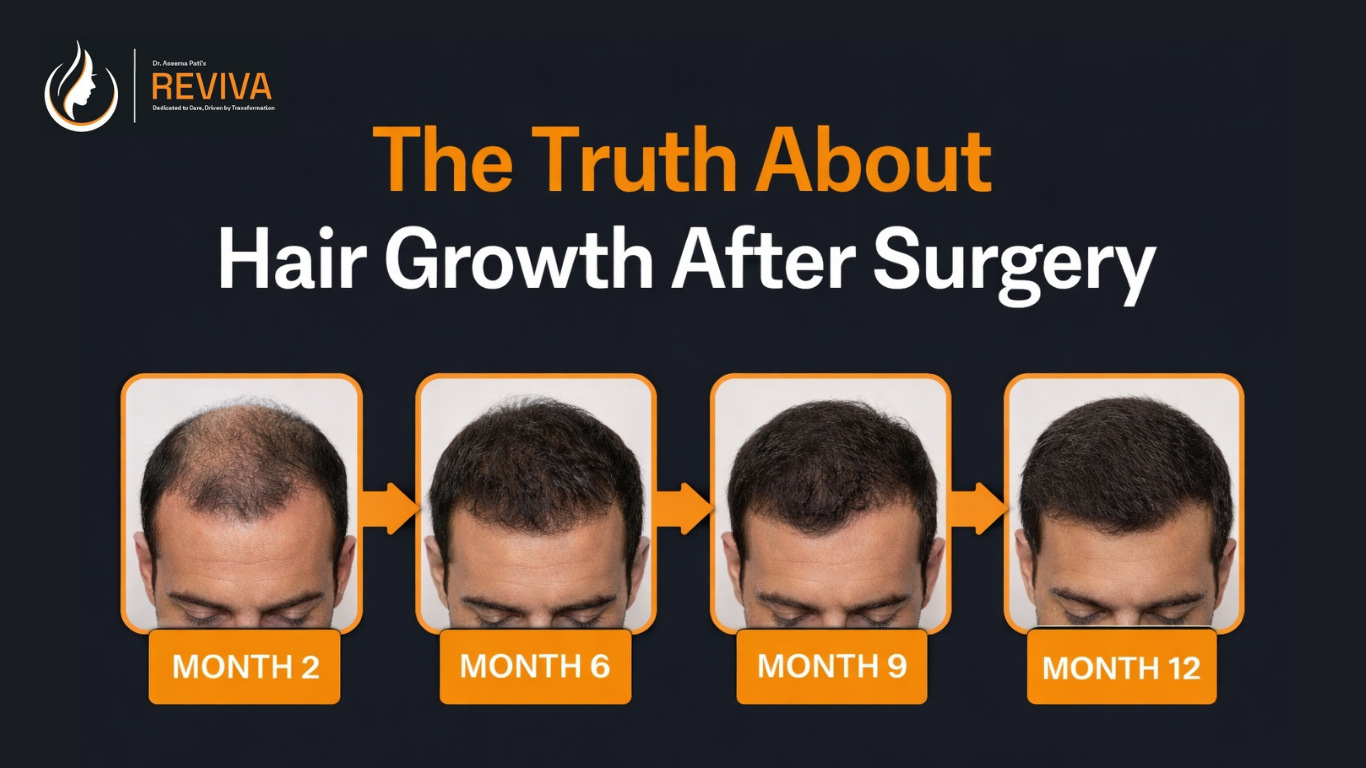
Long-Term Hair Transplant Treatment Success (Months 2–12 After Treatment)
1. Understanding the Growth Timeline (Setting Realistic Expectations)
-
After the first month post-transplant, the long-term phase begins.
-
Patience is essential, as visible results take time.
Understanding hair growth after surgery can help set realistic expectations and reduce anxiety about the process.
-
Knowing what to expect between months 2–12 helps reduce anxiety and unrealistic expectations.
2. Month-by-Month Hair Growth Phases
Months 2–3: Shedding Phase (“Ugly Duckling Phase”)
-
Transplanted hair sheds almost completely (normal and expected).
-
Scalp may look similar to pre-surgery appearance.
-
Hair follicles remain active beneath the skin.
-
Mild redness or small bumps may appear but gradually fade.
Months 3–5: Emergence Phase
-
New hair begins to grow as fine, thin strands.
-
Hair may appear wispy or colorless initially.
Monitoring hair growth after surgery is crucial for evaluating the success of the procedure.
-
Approximately 20–30% of final results become visible.
Months 6–9: Maturation Phase
-
Hair shafts thicken and darken.
-
Hair growth direction and angle normalize.
-
Around 60–70% of final density is visible.
-
Most patients begin to feel satisfied with results during this phase.
Months 10–12: Final Growth Phase
-
80–95% of transplanted follicles produce visible hair.
-
Remaining follicles usually activate by month 12.
-
Some patients may continue to see improvements up to month 18.
3. Tracking Your Progress (Photographic Documentation)
-
Take photos monthly under consistent conditions.
-
Ensure:
-
Same lighting
-
Same camera angles
-
Neutral background
-
Similar hair length
-
-
Capture images of:
-
Front
-
Top
-
Crown
-
Both sides
-
4. Nutrition & Supplementation for Optimal Hair Growth
Essential Nutrients
-
Biotin
-
Strengthens hair structure
-
Found in eggs, nuts, sweet potatoes
-
Suggested supplementation: 2–5 mg daily
-
-
Zinc & Iron
-
Support follicle function
-
Sources: lean red meat, oysters, spinach, pumpkin seeds
-
Iron deficiency can slow growth, especially in women
-
-
Protein
-
Primary building block of hair
-
Recommended intake: 0.8 g per kg of body weight daily
-
Sources: fish, chicken, beans, tofu
-
-
Omega-3 Fatty Acids
-
Reduce scalp inflammation
-
Improve hair density
-
Sources: salmon, walnuts, flaxseeds
-
Foods to Limit
-
Refined sugars
-
Saturated fats
(These increase inflammation and impair scalp circulation)
Hydration
-
Drink 2–3 liters of water daily to support follicle health
5. Lifestyle Modifications to Protect Results
Stress Management
-
High cortisol levels can force hair into a resting phase.
-
Effective practices include:
-
Meditation (10–15 minutes daily)
-
Deep breathing
-
Gentle yoga
-
30-minute daily walks
-
Sleep Optimization
-
Growth hormone production peaks during deep sleep.
-
Aim for 7–9 hours of quality sleep.
-
Sleep in a cool, dark room.
-
Use silk pillowcases to reduce friction on new hair.
Exercise Guidelines
-
After month 2, gradually increase workout intensity.
-
Improves scalp circulation.
-
Avoid:
-
Saunas
-
Steam rooms
-
Excessive heat exposure
-
Substance Limitations
-
Smoking:
-
Reduces scalp blood flow by up to 40%
-
-
Alcohol:
-
Excess intake impairs nutrient absorption
-
-
Recommendations:
-
Quit smoking entirely
-
Limit alcohol to 4–5 drinks per week
-
6. Advanced Hair Care for Transplanted Hair
Cleansing Products
-
Use sulfate-free, pH-balanced shampoos.
-
Beneficial ingredients:
-
Ketoconazole
-
Saw palmetto
-
-
Avoid stripping natural scalp oils.
Scalp Circulation Enhancement
-
Begin from month 4 onward.
-
Gentle scalp massage:
-
5 minutes daily
-
Use fingertips (not nails)
-
Circular motions with light pressure
-
-
Can increase blood flow by up to 25%.
Styling Considerations
-
Minimize heat styling.
-
Always apply heat protectant products.
-
Choose alcohol-free styling products.
-
Avoid tight hairstyles that create follicle tension.
Chemical Treatments
-
Hair coloring:
-
Wait at least 6 months
-
Use ammonia-free, vegetable-based dyes
-
Perform a patch test first
-
-
Perms or straightening:
-
Postpone until 9–12 months
-
7. Maintaining Results & Preventing Further Hair Loss
Medical Therapies
-
Native (non-transplanted) hair remains vulnerable to genetic loss.
-
Common recommendations:
-
Minoxidil (topical)
-
Finasteride (oral, for men)
-
-
These treatments help maintain and enhance density.
Follow-Up Schedule
-
First year:
-
Quarterly surgeon visits
-
-
After first year:
-
Annual check-ups
-
-
Allows early detection and timely intervention.
Complementary Treatments
-
PRP (Platelet-Rich Plasma) Therapy
-
Administered every 3–4 months
-
Uses patient’s own blood components
-
Stimulates growth factors in both transplanted and native hair
-
Secondary Procedures
-
Some patients seek additional density.
-
Final results should be evaluated at 12 months.
-
Secondary transplants may:
-
Enhance density
-
Address new or untreated areas
-