
How to get the ideal results after hair transplant treatment?
The Critical First Month: Immediate Post-Hair Transplant Treatment Care Protocol
Week 1: Essential Care During the Most Fragile Period
Many patients are curious about the hair transplant treatment process and its outcomes.
Your transplanted follicles are extremely vulnerable during the first 7 days as they establish blood supply. Proper care is crucial.
Post-hair transplant treatment care is essential for the success of your procedure.
Do Not Touch or Disturb the Recipient Area
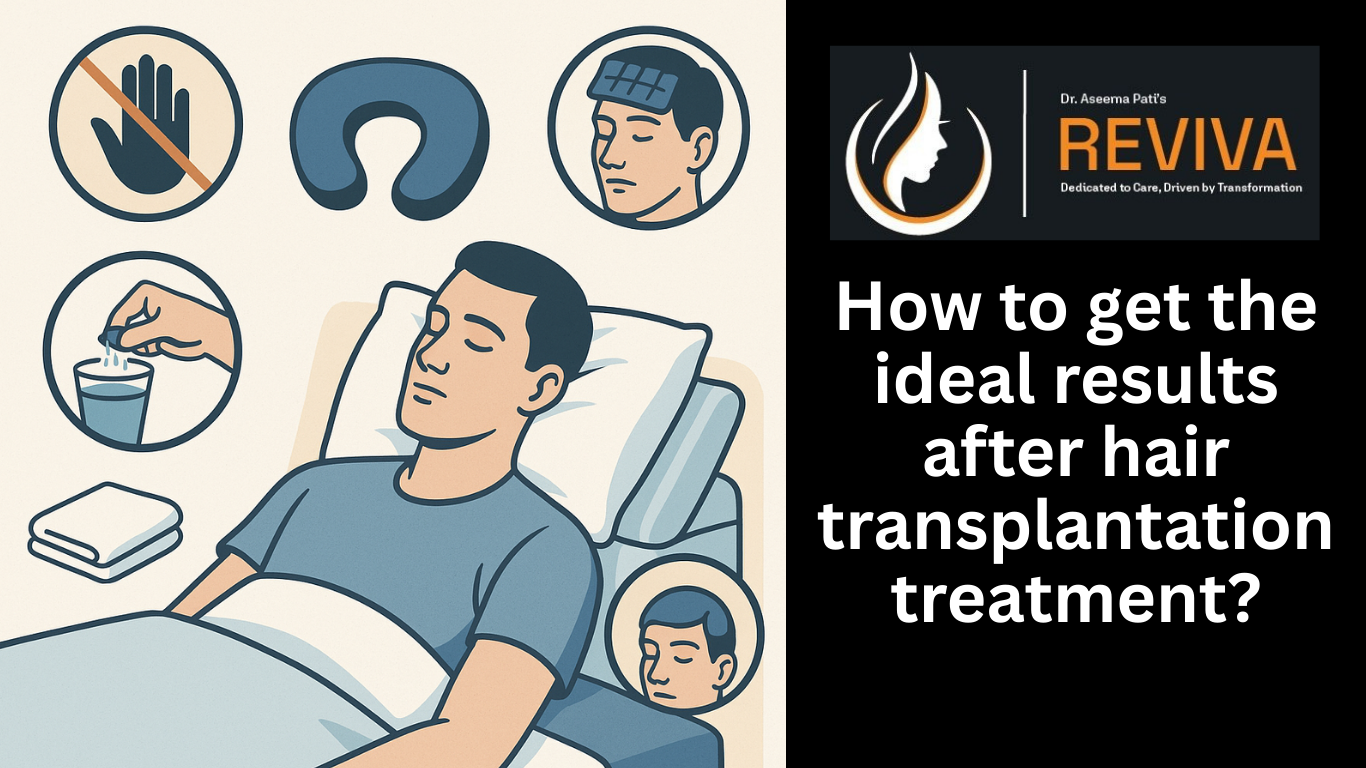
- Avoid touching the grafts for the first 72 hours after hair transplantation treatment.
- Keep your head elevated at 45° as much as possible.
- Move slowly and avoid sudden head motions.
Sleeping Guidelines
-
- Sleep on your back with your head elevated on 2–3 pillows.
Proper sleeping positions post-hair transplant treatment can significantly aid recovery.
- A travel/neck pillow can help keep your head stable.
- Avoid sleeping on your stomach or sides.
Washing Instructions
-
- First wash: 48–72 hours post-hair transplant treatment, depending on your surgeon’s instructions.
Following your hair transplant treatment, ensure to follow washing instructions carefully.
-
- Use the cup method:
- Fill a cup with lukewarm water + the gentle cleanser provided.
- Pour gently over the scalp—no direct shower stream.
- Pat dry with a soft towel—never rub.
Consistent care post-hair transplant treatment will lead to the best results.
- Follow any clinic-specific washing instructions.
Managing Swelling
- Swelling typically peaks on Day 3 and may extend to your forehead or eyes.
- Use cold compresses on the forehead only, never on grafts:
- 20 minutes every hour while awake.
- Take prescribed pain medication on schedule after hair transplantation treatment.
- Natural remedies (e.g., arnica) only with surgeon approval.
Weeks 2–4: Understanding the Shedding Phase
Understanding the hair transplant treatment timeline will help manage expectations.
Shedding (“Shock Loss”)
- Expect transplanted hairs to fall out around Weeks 2–3.
- This is normal, and follicles remain healthy beneath the scalp.
- New growth begins in the following months.
Washing & Scalp Care
Pay attention to washing and scalp care after your hair transplant treatment.
- At Week 2: Begin gently massaging the scalp with fingertips in circular motions.
- Avoid: Shampoos with sulphates, alcohols, or harsh ingredients.
- By Week 3: Most scabs/crusts fall off naturally.
- Tiny red dots may appear—normal signs of healing.
Activity Restrictions
Limiting strenuous activities post-hair transplant treatment is crucial for recovery.
- Avoid all intense exercise for 2 weeks.
- Week 3: Light walking is okay.
- Avoid sweating, swimming pools, saunas, and steam rooms until Week 4 or later to reduce infection risk.
Healing Signs to Watch
Recognizing healing signs after your hair transplant treatment can ease concerns.
Normal: Mild redness, Itching, Small follicular pimples
Seek medical attention if you notice: Spreading redness, Yellow discharge, Fever, Severe or worsening pain
Medication Management for Optimal Graft Survival
Prescribed Medications
- Take antibiotics and anti-inflammatory medications exactly as directed.
- Do not skip or alter dosage without your surgeon’s approval.
Topical Treatments
- If using minoxidil (Rogaine):
- Wait 14 days before resuming.
- Apply using fingertips—never the dropper directly.
Medications & Supplements to Avoid
- Avoid for at least one week before and after your procedure: Aspirin and NSAIDs, Vitamin E, Fish oil
- Herbal supplements such as: Ginkgo biloba, St. John’s Wort
Always inform your surgeon about everything you are taking after hair transplant treatment.
Environmental Protection for New Grafts
Environmental protection for your new grafts is vital after hair transplant treatment.
Protecting from Sun Exposure
- Avoid direct sunlight on grafts entirely for the first month.
- After one month, use:
- SPF 30+, fragrance-free sunscreen
- Zinc-based formulations for sensitive skin
Temperature and Sweat Control
- Keep indoor spaces cool.
- Avoid high heat and humidity.
- Choose outdoor activities during early morning or late evening in warm climates.
Hat Use
- Do not wear hats for the first 10 days, unless instructed otherwise.
- After 10 days:
- Use only very loose, breathable hats (e.g., cotton).
- Avoid wool or synthetic fabrics.
- When removing a hat, lift straight upward—never slide it off.
Week 1: Essential Care During the Most Fragile Period
Your transplanted follicles are extremely vulnerable during the first 7 days as they establish blood supply. Proper care is crucial.
Do Not Touch or Disturb the Recipient Area
- Avoid touching the grafts for the first 72 hours.
- Keep your head elevated at 45° as much as possible.
- Move slowly and avoid sudden head motions.
Sleeping Guidelines
- Sleep on your back with your head elevated on 2–3 pillows.
- A travel/neck pillow can help keep your head stable.
- Avoid sleeping on your stomach or sides.
Washing Instructions
- First wash: 48–72 hours post-transplant, depending on your surgeon’s instructions.
- Use the cup method:
- Fill a cup with lukewarm water + the gentle cleanser provided.
- Pour gently over the scalp—no direct shower stream.
- Pat dry with a soft towel—never rub.
- Follow any clinic-specific washing instructions.
Managing Swelling
- Swelling typically peaks on Day 3 and may extend to your forehead or eyes.
- Use cold compresses on the forehead only, never on grafts:
- 20 minutes every hour while awake.
- Take prescribed pain medication on schedule.
- Natural remedies (e.g., arnica) only with surgeon approval.
Weeks 2–4: Understanding the Shedding Phase
Shedding (“Shock Loss”)
- Expect transplanted hairs to fall out around Weeks 2–3.
- This is normal, and follicles remain healthy beneath the scalp.
- New growth begins in the following months.
Washing & Scalp Care
- At Week 2: Begin gently massaging the scalp with fingertips in circular motions.
- Avoid: Shampoos with sulphates, alcohols, or harsh ingredients.
- By Week 3: Most scabs/crusts fall off naturally.
- Tiny red dots may appear—normal signs of healing.
Activity Restrictions
- Avoid all intense exercise for 2 weeks.
- Week 3: Light walking is okay.
- Avoid sweating, swimming pools, saunas, and steam rooms until Week 4 or later to reduce infection risk.
Healing Signs to Watch
Normal: Mild redness, Itching, Small follicular pimples
Seek medical attention if you notice: Spreading redness, Yellow discharge, Fever, Severe or worsening pain
Medication Management for Optimal Graft Survival
Prescribed Medications
- Take antibiotics and anti-inflammatory medications exactly as directed.
- Do not skip or alter dosage without your surgeon’s approval.
Topical Treatments
- If using minoxidil (Rogaine):
- Wait 14 days before resuming.
- Apply using fingertips—never the dropper directly.
Medications & Supplements to Avoid
- Avoid for at least one week before and after your procedure: Aspirin and NSAIDs, Vitamin E, Fish oil
- Herbal supplements such as: Ginkgo biloba, St. John’s Wort
Always inform your surgeon about everything you are taking.
Environmental Protection for New Grafts after hair transplant treatment
Protecting from Sun Exposure
- Avoid direct sunlight on grafts entirely for the first month.
After hair transplantation treatment one month, use:
- SPF 30+, fragrance-free sunscreen
- Zinc-based formulations for sensitive skin
Temperature and Sweat Control
Be mindful of temperature and sweat control after your hair transplant treatment.
- Keep indoor spaces cool.
- Avoid high heat and humidity.
- Choose outdoor activities during early morning or late evening in warm climates.
Hat Use
- Do not wear hats for the first 10 days, unless instructed otherwise.
- After 10 days:
- Use only very loose, breathable hats (e.g., cotton).
- Avoid wool or synthetic fabrics.
- When removing a hat, lift straight upward—never slide it off.
Looking for more detailed information on improving your hair transplant results? Check out our related resources:
Learn more about our treatments:
Book Your Free Consultation
Get personalized advice from our experts. Book an Appointment, Contact Our Team